How AI Impacts Our Planet & What it Means for Your Small Business
Artificial Intelligence (AI) has rapidly become a part of everyday life, from writing tools and chatbots to customer support and appointment systems....
Got a question, or need help with something?
A member of the LoudLocal team is on hand to help you.
The Brickyard, Unit 2, Queen's Rd, Kenilworth, Warwickshire, CV8 1JQ
5 Merchant Square, Paddington, London, W2 1AY
9 min read
Tanya Hidderley
:
Jan 14, 2026 11:04:19 AM
Artificial Intelligence (AI) has rapidly become a part of everyday life, from writing tools and chatbots to customer support and appointment systems. But while AI is often spoken of as a modern convenience, there are negative impacts that many people, especially small business owners, aren’t yet aware of.
Throughout this article, we’ll be breaking down what AI really means for our planet, including how much energy it uses, how it contributes to carbon emissions, and why its growing demand for hardware matters. We’ll also explore the positive side of AI, such as how it can support healthcare, emergency response, education, and accessibility. And finally, we’ll explain how local businesses can use AI responsibly, not as a replacement for your expertise, but as a helpful tool to support you in your day-to-day work.
As always, we’ll keep things simple and avoid unnecessary jargon. Let’s get started!
Although AI can be an incredibly helpful tool for many, it’s essential that people understand the damaging impact alongside the positives. It feels like it’s something that purely exists online, but that’s not true, because behind every prompt, chatbot reply, and automated task is a large physical infrastructure. AI systems rely on huge data centres filled with extremely powerful servers which run all day and all night, using significant amounts of electricity and cooling. As a result, AI has a much larger environmental footprint than many people realise. Let’s break it down:
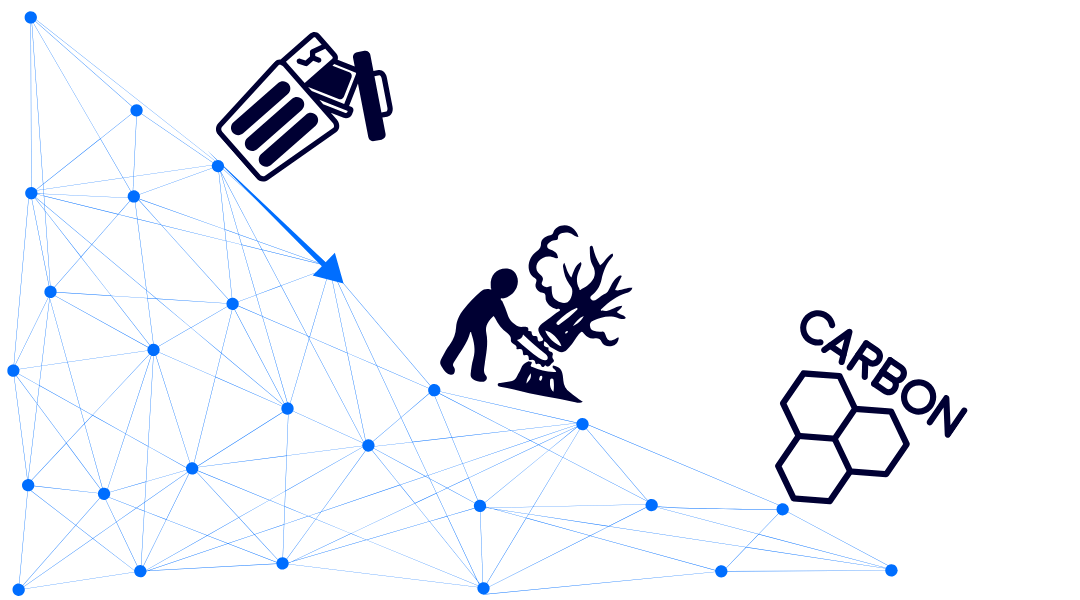
Modern AI models are trained using thousands of high-performance computers, which work together for weeks or even months at a time. This training process alone requires enormous amounts of electricity. According to Business Energy UK, ChatGPT’s annual energy consumption could be as high as 14.46 billion kWh, more electricity than 117 countries use in a year.

As AI becomes increasingly popular and utilised, rapid advancements are being made. Because AI relies on high-performance chips, data centres often need to replace hardware every 2 to 3 years to keep up with performance demands.
This creates tons of electronic waste, increased demand for rare minerals, and more manufacturing-related emissions, significantly increasing the negative environmental impact.
As AI rapidly expands, more data centres are being built worldwide to keep up with demand. These facilities usually require huge land areas, for example, according to TechTarget: “If 10,000 existing data centres occupied 40 acres each, the estimated total land use would be 400,000 acres, or about 528,000 football fields.” Data centres also need robust infrastructure to support heavy electricity and cooling needs. This means large pieces of land are cleared to make room for buildings, access roads, substations, and water systems.
In some places, this can lead to loss of natural habitats, reduced green space, or increased pressure on local environments. Even if data centres are built in industrial areas, they still have to compete with other land uses, such as housing, renewable energy installations, and agriculture.
At every stage of AI, from training large models to running daily queries, substantial electricity is required, as suggested in the points above. So, how is it causing a growing carbon footprint? To sum up, greater AI usage leads to higher energy demand, which in turn increases emissions, unless the energy comes from renewables.
For both businesses and individuals, it’s easy to forget that every AI output has a real-world carbon cost behind it. As AI becomes embedded in everyday tools, such as email, search, office apps, customer service, etc, its total footprint will continue to scale. Now that we’ve gone through the damages AI can cause, let’s take a look at the benefits:
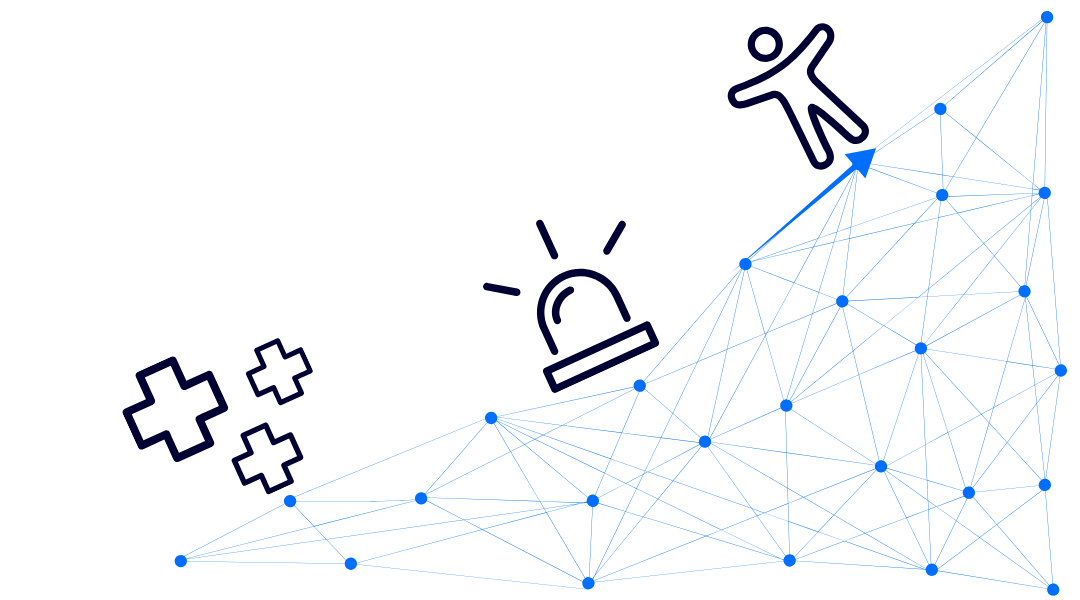
While AI does come with environmental costs, it can also offer powerful benefits to society, from improving healthcare to speeding up emergency response times. AI can create meaningful, positive change when used responsibly, and for local businesses, understanding these advantages helps you put AI into perspective. Let’s take a look at some impactful ways AI is being used for good today.
AI is rapidly becoming a crucial part of modernising the NHS, helping ease pressure on staff and improving patient outcomes, both of which are major national priorities.
Another area in which AI supports is improving the speed and efficiency of emergency response, a vital benefit when seconds can mean the difference between life and death.
A growing role for AI is to support learning and improve accessibility across schools, colleges, and workplaces.
For local businesses, this technology can be beneficial, whether you’re helping out a customer or client whose English is limited or managing a diverse team. By reducing misunderstandings and improving communication, AI-powered translation supports a much more connected and welcoming community.
For small businesses, these tools can reduce the cost and effort of creating accessible content. AI can help ensure your website, marketing materials, and customer communications are more inclusive, improving user experience and helping you reach a wider audience.

Despite its benefits, AI isn’t perfect, nor is it meant to do everything. It relies entirely on data patterns, not on human judgment, ethics, or real-world context.
AI is a helpful assistant, not a decision-maker. Without proper oversight, it can produce misleading and inaccurate results, causing real problems for individuals and organisations alike. Understanding these limitations helps businesses use AI more responsibly and safely.
People often forget that AI can make up facts, misinterpret details, or fill in gaps with guesses. It can also create information which may sound convincing but has no basis in truth, especially when dealing with topics such as legal or financial information, health-related topics, historical facts, news, current events, and data.
This is why businesses should never rely on AI alone for factual claims. Always double-check the information, especially anything that’ll be published online or used in decision-making.
AI is specifically created to make life easier; however, it’s not meant to be solely relied on, and doing so can backfire heavily.
When businesses start using AI for all of their tasks, it can lead to the following:
1. Lower quality work: AI isn’t and can’t be a subject expert; it may mix information and provide the wrong answers.
2. Generic content: It can produce very generic content, even though it might look fine, it’s not, as the content doesn’t reflect the brand or expertise.
3. Loss of human skills: According to an MIT Media Lab study, “excessive reliance on AI-driven solutions may contribute to cognitive atrophy”.
4. Incorrect assumptions: AI can sometimes misunderstand the prompt it’s given, leading to incorrect assumptions.
Businesses in trade, services, retail, and hospitality risk losing their personal touch if they depend too heavily on AI-generated responses, emails, or marketing. Your expertise, local knowledge, and experiences are irreplaceable, and AI should support that, not replace it.
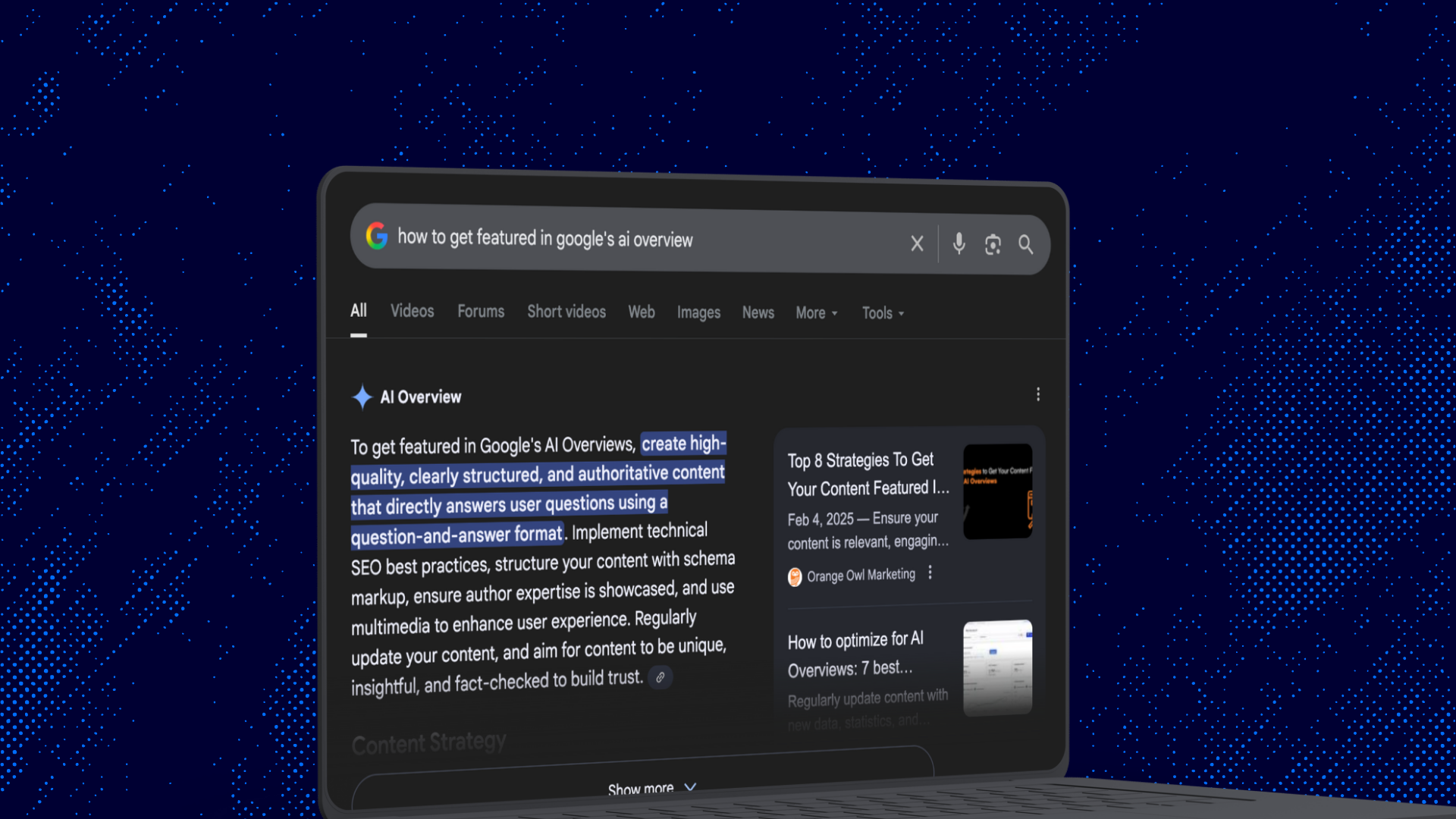
When it comes to marketing and search engine optimisation (SEO), AI-generated content can cause serious issues, especially for small businesses hoping to rank well on Google. Search engines are getting better and better at spotting AI-generated content, and low-quality or unedited AI text will, without a doubt, harm your online visibility.
Let’s get into the key drawbacks of AI-generated content:
1. Negative SEO Impact: Search engines such as Google value expertise, human input, and accuracy. Purely AI-written articles tend not to meet these standards, unless they’re heavily edited, fact-checked, and personalised.
2. The Risk of Duplicated Content: A lot of people who use AI to create their content use similar prompts, which increases the chances of producing nearly identical content to competitors, which is something search engines actively penalise.
3. Incorrect Information: Even the most minor errors can significantly damage credibility, primarily if you work in regulated sectors such as legal services, construction, health, and finance.
4. Generic & Repetitive Writing: AI produces content which lacks personality or originality. This can make brands feel bland or untrustworthy to a lot of people.
5. A Missing Human Element: Customers will choose local businesses for their personal approach and experience, and AI content can make them feel detached, robotic, or unaware.

AI is a very powerful tool, but for small businesses, it works best as a helper, not a replacement. Using it responsibly means leveraging its strengths whilst maintaining the human oversight, protecting your brand, and avoiding SEO or credibility issues. Let’s go through the steps on how to use AI responsibly:
1. Use AI to Support, Not Replace
The most common mistake is people use AI to do the tasks for them, which isn’t the correct way to use it and can actually do more damage than good. Instead, use AI to support with repetitive, time-consuming tasks, or use it to help inspire you with ideas, for example:
When you do use it, just make sure you always add in your own voice, local knowledge, and experience before publishing or sending anything.
2. Avoid Over-Automation
Over-reliance on AI can backfire, for example, you shouldn’t be using it to answer customer queries, write all of your content, or produce advice, as your expertise and personal touch are what makes your business unique.
3. Focus on Sustainability
As we discussed earlier on in this article, AI has a real environmental footprint. There isn’t a way to really change that, but you can help by minimising your impact as even the smallest actions can reduce energy consumption over time:
4. Treat AI as a Time-Saving Tool
Don’t picture AI as something to come up with or produce things for you, think of it more as a helpful assistant that, with the right guidance, can save you plenty of time. From helping with repetitive tasks, to exploring new ideas, using AI this way means your business can benefit from the technology without compromising the quality, credibility, or personal touch.
-1.png?width=1080&height=600&name=6%20(1)-1.png)

AI doesn’t have to be overwhelming or intimidating. Taking the time to understand its environmental impact, knowing how it can be used as a tool, and recognising its limits can give small businesses the power to use it wisely, without falling into the traps of over-reliance or generic, low-quality content.
If you found this article helpful, you may also enjoy our previous post: The Ultimate Guide to Local SEO for Small Businesses. We upload blogs regularly, so why not bookmark our knowledge hub. If you need support with digital marketing, feel free to book a call with a member of our team, we’re always happy to help!
AI systems need powerful data centres which run 24/7, using electricity for both computing and cooling. Training big models will use thousands of servers which operate for several weeks at a time, leading to significant energy consumption.
AI isn’t inherently harmful, however its environmental impact can be significant due to things like energy use, land required to build new data centres, and e-waste from hardware updates.
AI has the ability to support critical services such as education, emergency response, accessibility, healthcare, and public safety.
AI is currently being trialled across the NHS in order to speed up diagnosis, analyse medical scans, reduce admin workloads, help cut hospital backlogs, and support GP triage.
Yes, AI can help emergency services with real-time weather predictions, flood warnings, police data analysis, and resource planning for emergency responders.
People relying too much can lead to misinformation spreading, generic content, no human oversight, poor-decision making, and the loss of important skills.
Search engines, such as Google, will detect low-quality or unedited AI content. If the content lacks human touch, originality, or accuracy, it will negatively impact search rankings.
Use AI as a tool to support different tasks such as drafts, summaries, and admin help. Don’t use it for expert advice or final content. Always make sure to check everything over, add local knowledge, and personalisation.
Only with heavy human oversight. If it wasn’t checked, it can be extremely risky in high-accuracy fields, especially because AI often produces incorrect or outdated information.
Use AI for idea-generation, drafts, admin, or simple tasks, but use your own expertise for anything customer-facing, strategic, or advice-based. That way you have a good mix of both and create the best results.
Artificial Intelligence (AI) has rapidly become a part of everyday life, from writing tools and chatbots to customer support and appointment systems....
Getting found by local customers online isn’t some magic trick, it’s about making sure your business shows up when people nearby are searching for...
Running a small business is a full-time job in itself, and finding time for social media can feel like an extra task on the list. But here’s the...
AI has rapidly become one of the most transformative tools for content creators, developers, and digital marketers. With tools like ChatGPT leading...
A good digital marketing agency can make a massive difference to your business - bringing in more enquiries, boosting your online presence, and...
1 min read
Getting found by local customers online isn’t some magic trick, it’s about making sure your business shows up when people nearby are searching for...